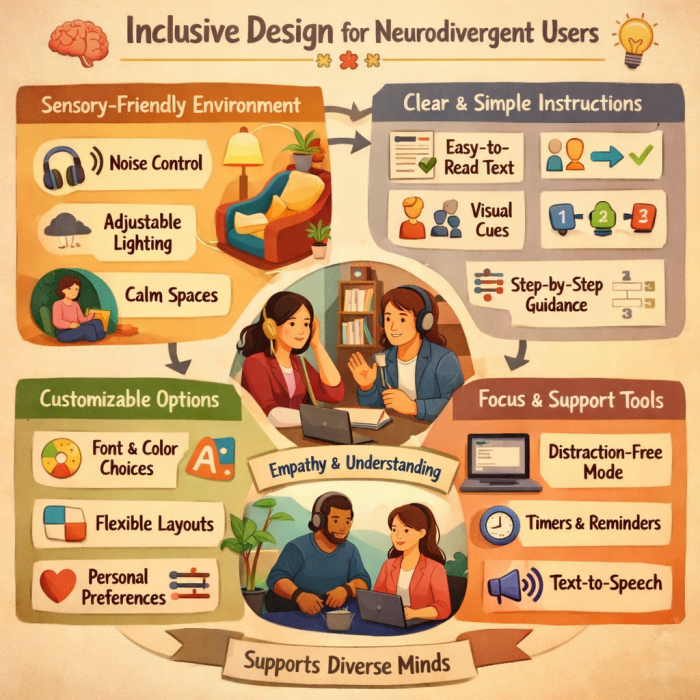
Diagram showing omnichannel concept with customer touchpoints and resulting organizational values

What Is Omnichannel—and Why It Creates Real Value for Organizations

Omnichannel integrates customer touchpoints into a unified experience, emphasizing coherence over mere presence. It enhances operational efficiency, promotes better decision-making, and increases trust. Successful omnichannel strategies align organizational structures and cultures, while organizations that fail to do so may encounter complexity and reduced effectiveness. Ultimately, it is essential for long-term business success.
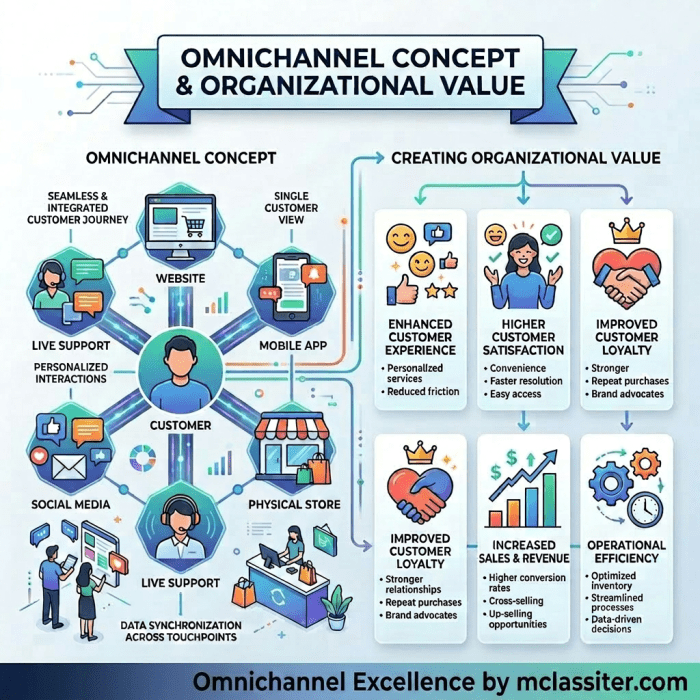
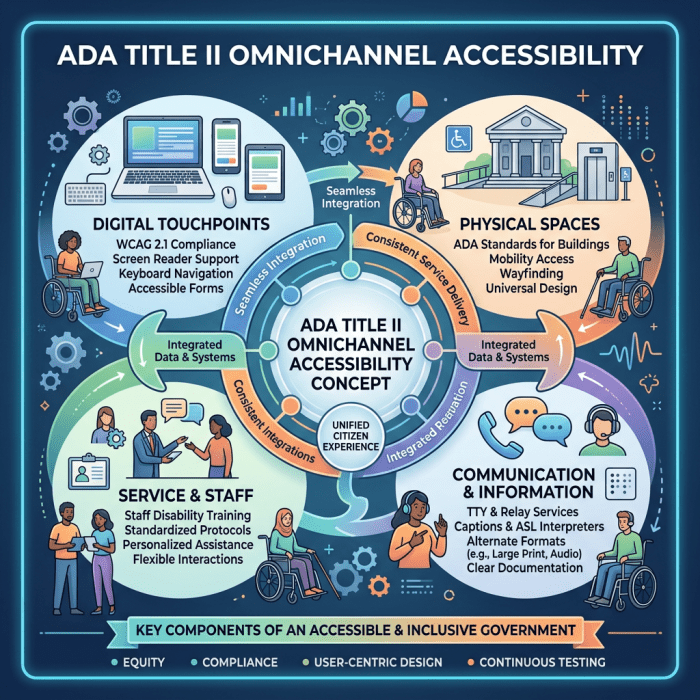
Diagram showing ADA Title II omnichannel accessibility concept with digital touchpoints, physical spaces, service and staff, and communication and information.

ADA Title II and Omnichannel: What It Is, What It Means, Who It Applies To—and Why Timing Now Matters

ADA Title II mandates accessibility for state and local governments and their service providers, emphasizing that all service channels must work cohesively to ensure equal access for individuals with disabilities. As federal compliance deadlines approach, both public and private entities are increasingly pressured to integrate accessibility effectively across their systems and offerings.

Diagram showing inclusive design elements for neurodivergent users including sensory-friendly environment, clear instructions, customizable options, and focus tools.

Designing Inclusive Experiences for Neurodivergent Users

Designing for neurodivergent users involves creating flexible systems that enhance cognitive accessibility for all. Key principles include maintaining consistency, using clear language, providing user control, and breaking information into manageable steps. Improved cognitive accessibility leads to better user experiences and operational acceptance, expanding the audience and fostering trust in omnichannel environments.