Do This for a Car, Why Not for a Patient?
A Wake-Up Call for Life Sciences Leaders
Your car knows when it needs an oil change.
You don’t have to think about it.
You don’t have to coordinate it.
You don’t have to repeat yourself.
You receive a timely reminder.
You schedule in seconds.
The dealership already knows your history, your preferences, and exactly what to do.
That’s not convenience.
That’s orchestrated omnichannel.
Automotive Has Solved the Problem Life Sciences Is Still Debating
Automotive organizations have moved beyond “multiple channels” to connected journeys.
They integrate:
- Service history
- Behavioral data
- Inventory and workforce logistics
- Communication preferences
Into a single, continuous experience.
The result?
- Frictionless engagement
- Predictable outcomes
- Built-in loyalty
Omnichannel, at its core, is about delivering a unified, consistent experience across every interaction—without forcing the customer to reconnect the dots. [qualtrics.com]
Now Look at Life Sciences
A patient starts therapy.
Or a provider engages with a new treatment.
What follows?
- Multiple stakeholders (HCPs, specialty pharmacies, payers, support programs)
- Multiple systems
- Multiple channels
But no orchestration.
Information is repeated.
Communications are disconnected.
The burden of coordination falls on the patient—or the provider.
Despite advances in digital tools, life sciences engagement remains fragmented, with systems often operating in silos rather than as a unified experienceData exists everywhere—but context exists nowhere.
This is not just inefficiency.
It is risk.
The Cost of Fragmentation in Pharma Is Not Inconvenience
In automotive, a missed oil change delays performance.
In life sciences:
- Therapy initiation delays impact outcomes
- Adherence gaps reduce effectiveness
- Disconnected engagement erodes trust
Fragmented data and experiences don’t just slow operations—they introduce clinical, operational, and financial risk when information isn’t connected across the journey.
And yet, the industry continues to operate as if multichannel equals omnichannel.
It doesn’t.
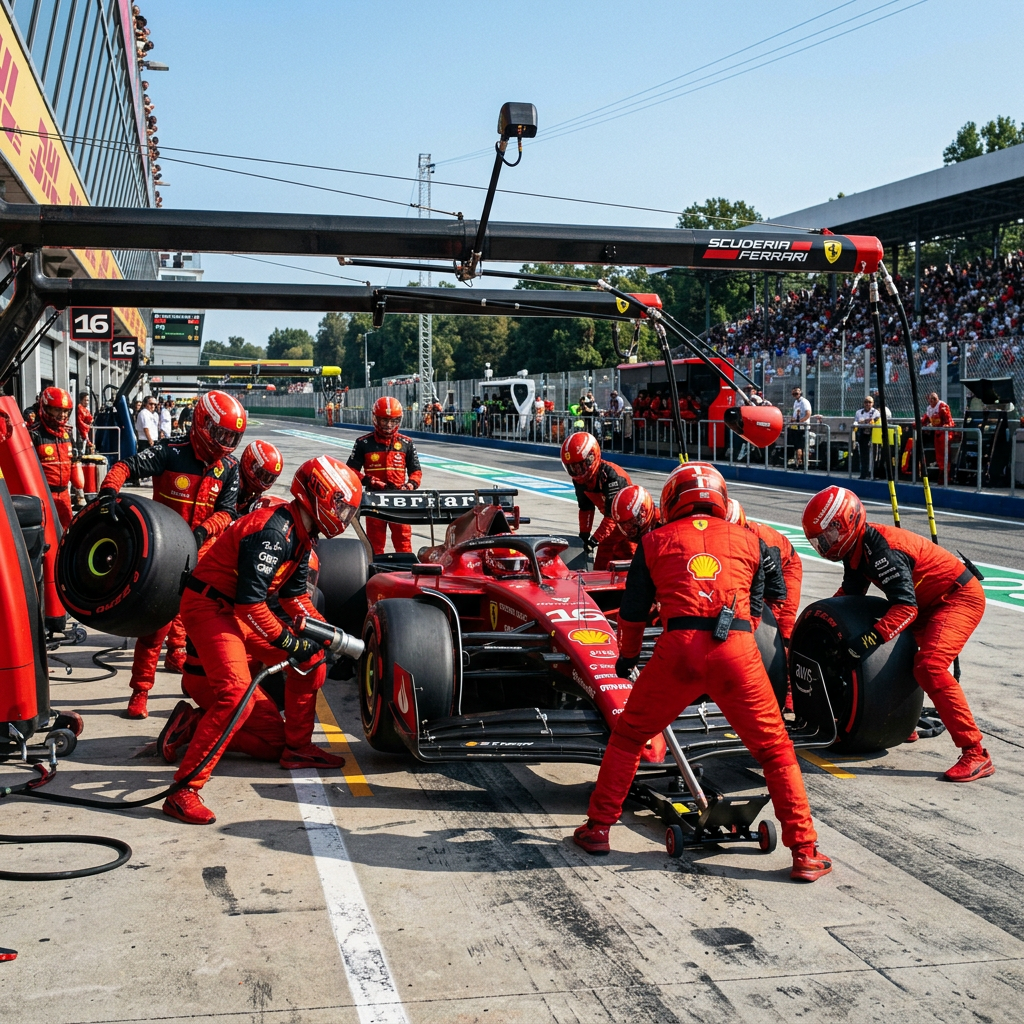
Formula 1 Shows Us What “Good” Actually Looks Like
In Formula 1, performance is not left to chance.
Each car generates real-time data from hundreds of sensors.
That data is transmitted, analyzed, and acted on instantly—even across distributed teams.
They don’t react.
They anticipate.
- Failures are predicted before they occur
- Strategies are simulated before execution
- Decisions are made in real time, based on total context
This is what orchestration looks like at scale.
Not more data.
Connected, actionable data.
Life Sciences Has the Data—But Not the Design
Pharma organizations already sit on vast ecosystems of data:
- Clinical
- Commercial
- Patient support
- Real-world evidence
Predictive capabilities exist to identify risk and optimize outcomes.
But most organizations still deliver experiences that feel:
- Disconnected
- Reactive
- Channel-specific instead of journey-centric
The gap is not technological.
It is orchestration.
The Executive Imperative
The competitive advantage in life sciences is shifting:
From product → to experience
From access → to adherence
From engagement → to orchestration
Winning organizations will:
- Unify data across clinical and commercial ecosystems
- Deliver continuity across every touchpoint
- Anticipate needs across the therapy journey
- Remove the burden of coordination from patients and providers
In short:
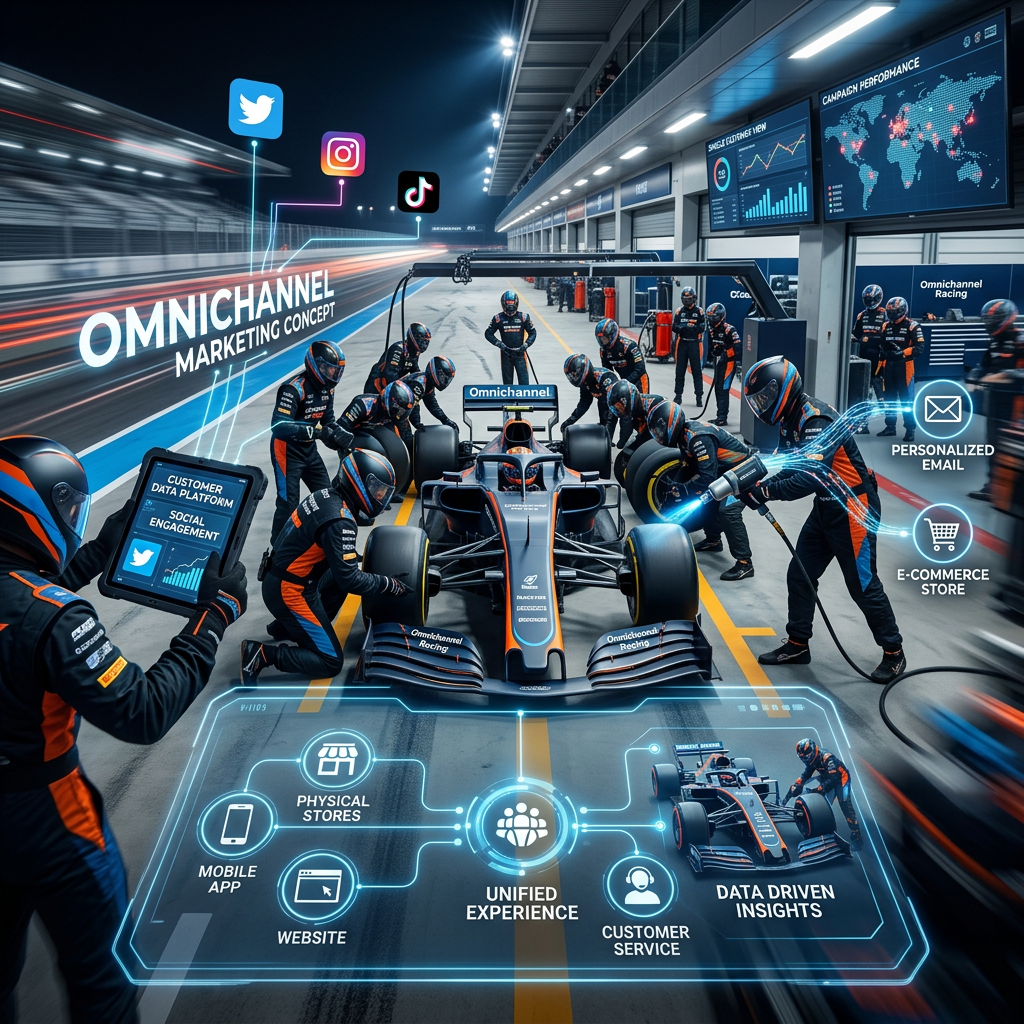
They will operate less like siloed functions…
and more like a race team.
The Real Question
If we can:
- Anticipate when a car needs service
- Personalize and coordinate the entire experience
- Deliver it seamlessly across channels
Why can’t we do the same for a patient on therapy?
👉 Start a conversation with Mary
Because the future of life sciences won’t be defined by data alone—
it will be defined by how well you orchestrate it.
