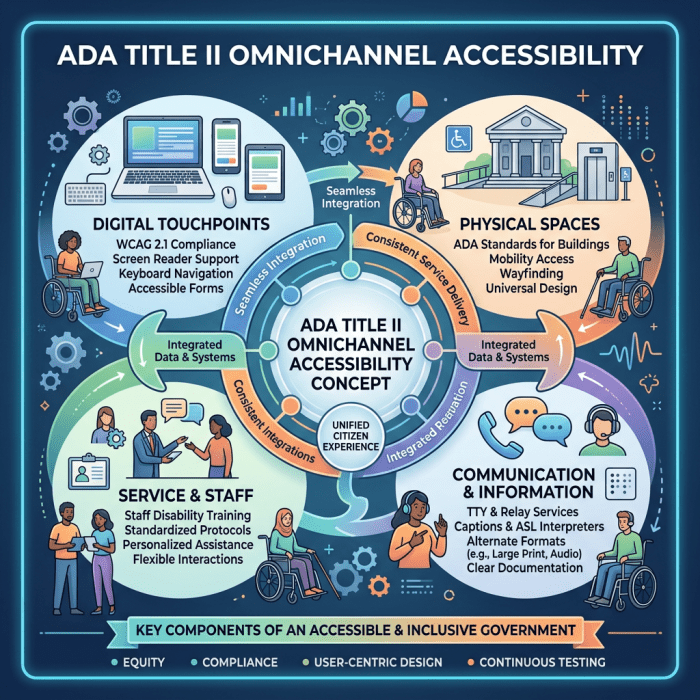
ADA Title II mandates accessibility for state and local governments and their service providers, emphasizing that all service channels must work cohesively to ensure equal access for individuals with disabilities. As federal compliance deadlines approach, both public and private entities are increasingly pressured to integrate accessibility effectively across their systems and offerings.
Category: Accessibility
Designing Inclusive Experiences for Neurodivergent Users
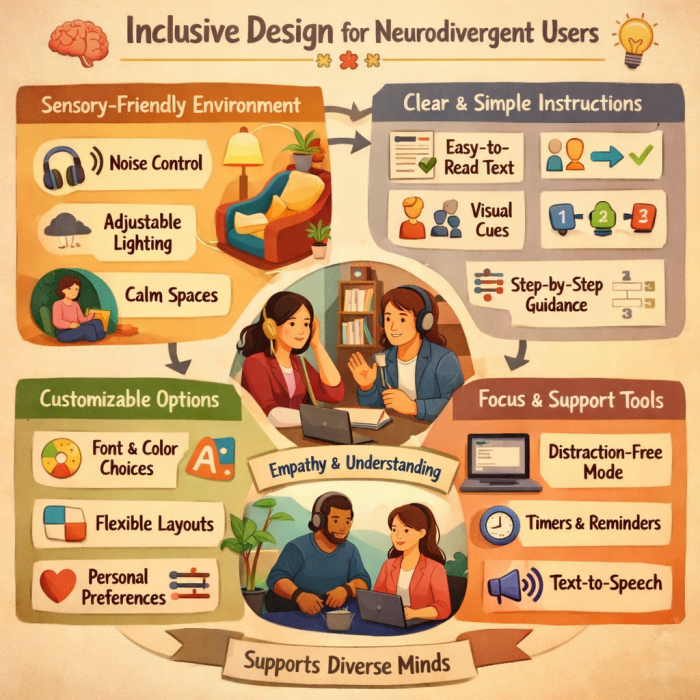
Designing for neurodivergent users involves creating flexible systems that enhance cognitive accessibility for all. Key principles include maintaining consistency, using clear language, providing user control, and breaking information into manageable steps. Improved cognitive accessibility leads to better user experiences and operational acceptance, expanding the audience and fostering trust in omnichannel environments.
The Omnichannel Accessibility Illusion: Why “Quick‑Fix” Website Overlays Increase Legal Risk—and Break Customer Experience
Accessibility overlays promise quick compliance, but they fail to ensure true accessibility and often lead to lawsuits. No court accepts them as proof of ADA compliance, and they do not resolve underlying coding issues. Effective accessibility requires fundamental changes to website structure, not just the installation of tools.
Accessibility in Action: Why Pharma Customer Experience Can’t Afford to Treat Accessibility as Optional
The 13th Annual PanAgora Pharma Customer Experience Summit highlighted the importance of community and accessibility in customer experience. The panel "Accessibility in Action" emphasized that over 25% of adults face disabilities, underscoring the need for inclusive design. Accessibility is presented as a fundamental business and ethical responsibility for effective Pharma customer experiences.