The Omnichannel Accessibility Illusion: Why “Quick‑Fix” Website Overlays Increase Legal Risk—and Break Customer Experience

Accessibility overlays promise quick compliance, but they fail to ensure true accessibility and often lead to lawsuits. No court accepts them as proof of ADA compliance, and they do not resolve underlying coding issues. Effective accessibility requires fundamental changes to website structure, not just the installation of tools.


Accessibility in Action: Why Pharma Customer Experience Can’t Afford to Treat Accessibility as Optional

The 13th Annual PanAgora Pharma Customer Experience Summit highlighted the importance of community and accessibility in customer experience. The panel "Accessibility in Action" emphasized that over 25% of adults face disabilities, underscoring the need for inclusive design. Accessibility is presented as a fundamental business and ethical responsibility for effective Pharma customer experiences.

Modular Content Is the Backbone of Scalable Omnichannel

True omnichannel strategy starts with modular content architecture, treating messages as reusable components rather than finished assets. This approach allows for seamless cross-channel messaging, scalable personalization, and reduces the need for extensive revisions. It fosters alignment among teams and enhances execution speed by minimizing duplication and focusing on efficient content reuse.

Why Accessibility Must Be Omnichannel (Not Just Digital)

Accessibility failures are prevalent across digital channels, causing systemic breakdowns that impact user experiences. Research shows nearly 95% of top websites have accessibility errors, highlighting a need for structured omnichannel design and consistent navigation. Prioritizing accessibility expands market reach and builds user trust while reducing legal risks and enhancing overall clarity.

Being Nice vs. Being Good: What Really Moves Omnichannel Forward

Many organizations struggle with omnichannel progress not due to technology or strategy, but because leaders prioritize being nice over being good. Nice intentions can hinder accountability and clarity, while effective leadership focuses on creating shared outcomes and challenging silos. Ultimately, clarity drives successful omnichannel transformation and enhances customer experience.

Leading Omnichannel Excellence: From Reactive to Intelligent

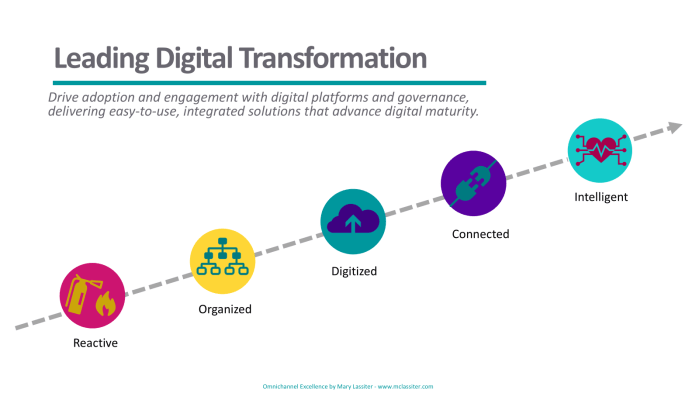
Many organizations aspire to achieve omnichannel operations but often fall short, operating instead in reactive or organized states. True omnichannel maturity includes five stages: reactive, organized, digitized, connected, and intelligent. Success requires alignment, teamwork, and continuous improvement, focusing on delivering cohesive customer experiences over time.