Why Accessibility Must Be Omnichannel (Not Just Digital)

Accessibility failures are prevalent across digital channels, causing systemic breakdowns that impact user experiences. Research shows nearly 95% of top websites have accessibility errors, highlighting a need for structured omnichannel design and consistent navigation. Prioritizing accessibility expands market reach and builds user trust while reducing legal risks and enhancing overall clarity.

Omnichannel Isn’t About More Touchpoints. It’s About Fewer Frictions.

Organizations often struggle with omnichannel experiences not due to a lack of channels, but because friction arises from disconnection between functions. Effective omnichannel strategies focus on continuity of customer experience rather than merely covering all channels. Prioritizing the resolution of friction can lead to smoother interactions and a more connected experience.

Being Nice vs. Being Good: What Really Moves Omnichannel Forward

Many organizations struggle with omnichannel progress not due to technology or strategy, but because leaders prioritize being nice over being good. Nice intentions can hinder accountability and clarity, while effective leadership focuses on creating shared outcomes and challenging silos. Ultimately, clarity drives successful omnichannel transformation and enhances customer experience.

Why Omnichannel Fails Without Empathy—and What Leaders Can Do About It

Digital transformation has given organizations more channels, more data, and more ways to engage than ever before. Yet many customer experiences still feel fragmented, impersonal, and disconnected. From my perspective, this isn’t a technology problem.It’s an empathy problem. More Channels Didn’t Create Better Experiences Over the last decade, organizations have invested heavily in digital platforms, … Continue reading Why Omnichannel Fails Without Empathy—and What Leaders Can Do About It

Leading Omnichannel Excellence: From Reactive to Intelligent

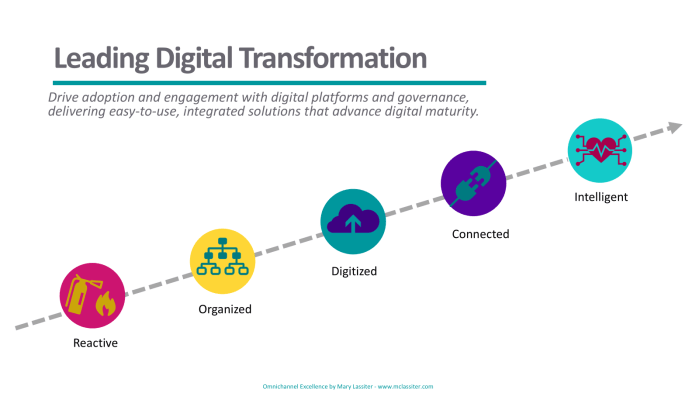
Many organizations aspire to achieve omnichannel operations but often fall short, operating instead in reactive or organized states. True omnichannel maturity includes five stages: reactive, organized, digitized, connected, and intelligent. Success requires alignment, teamwork, and continuous improvement, focusing on delivering cohesive customer experiences over time.