Being Nice vs. Being Good: What Really Moves Omnichannel Forward

Many organizations struggle with omnichannel progress not due to technology or strategy, but because leaders prioritize being nice over being good. Nice intentions can hinder accountability and clarity, while effective leadership focuses on creating shared outcomes and challenging silos. Ultimately, clarity drives successful omnichannel transformation and enhances customer experience.


Why Omnichannel Fails Without Empathy—and What Leaders Can Do About It

Digital transformation has given organizations more channels, more data, and more ways to engage than ever before. Yet many customer experiences still feel fragmented, impersonal, and disconnected. From my perspective, this isn’t a technology problem.It’s an empathy problem. More Channels Didn’t Create Better Experiences Over the last decade, organizations have invested heavily in digital platforms, … Continue reading Why Omnichannel Fails Without Empathy—and What Leaders Can Do About It

Leading Omnichannel Excellence: From Reactive to Intelligent

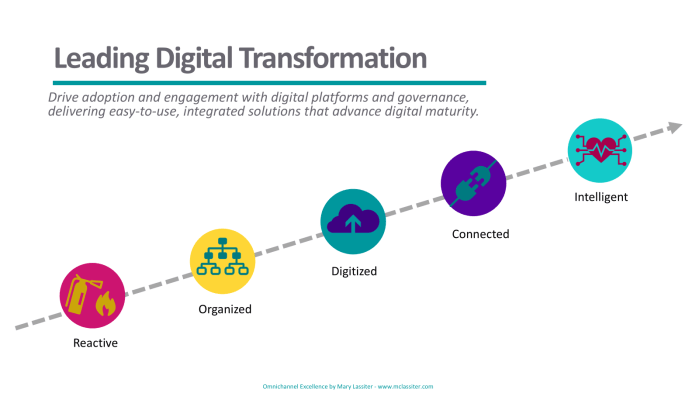
Many organizations aspire to achieve omnichannel operations but often fall short, operating instead in reactive or organized states. True omnichannel maturity includes five stages: reactive, organized, digitized, connected, and intelligent. Success requires alignment, teamwork, and continuous improvement, focusing on delivering cohesive customer experiences over time.

The Power of Disruptive Innovation in Business

Disruptive innovation, defined by Clayton M. Christensen, refers to innovations that create new markets, displacing established firms. It is often embraced by outsiders, offering rapid market adoption despite initial risks. Similarly, disruptive marketing focuses on emerging demands, encouraging companies to innovate messaging to resonate with consumers. Companies can thrive by leveraging these strategies effectively.