
Something incredibly powerful happened at the 13th Annual PanAgora Pharma Customer Experience Summit—and it wasn’t tied to a slide, a framework, or a technology.
It happened when a room stood up together.
As Mary Lassiter asked:
“How many of you attended your first customer experience Summit because of Seth Painter #IYKYK. Several of us stood up. But it was her second question, ‘How many of you are here because of these people?’ that brought the ENTIRE room to their feet.”
That moment captured exactly what PanAgora represents: community, connection, and the collective belief that customer experience—when done right—can change outcomes.
It also set the tone for one of the most important conversations of the summit: Accessibility in Action.
Strong Communities, Stronger Customer Experience
Reflecting on that moment, Richard Schwartz captured the essence of what makes this community different:
“Strong communities are built on shared ideas, challenging norms, passions for raising the bar, and an inherent compassion for what is possible.”
That compassion—paired with action—is what made the Accessibility in Action panel so impactful.
Accessibility was not discussed as a regulatory hurdle or a checklist item. It was framed as what it truly is: a core pillar of effective, ethical, and human-centered Pharma customer experience.
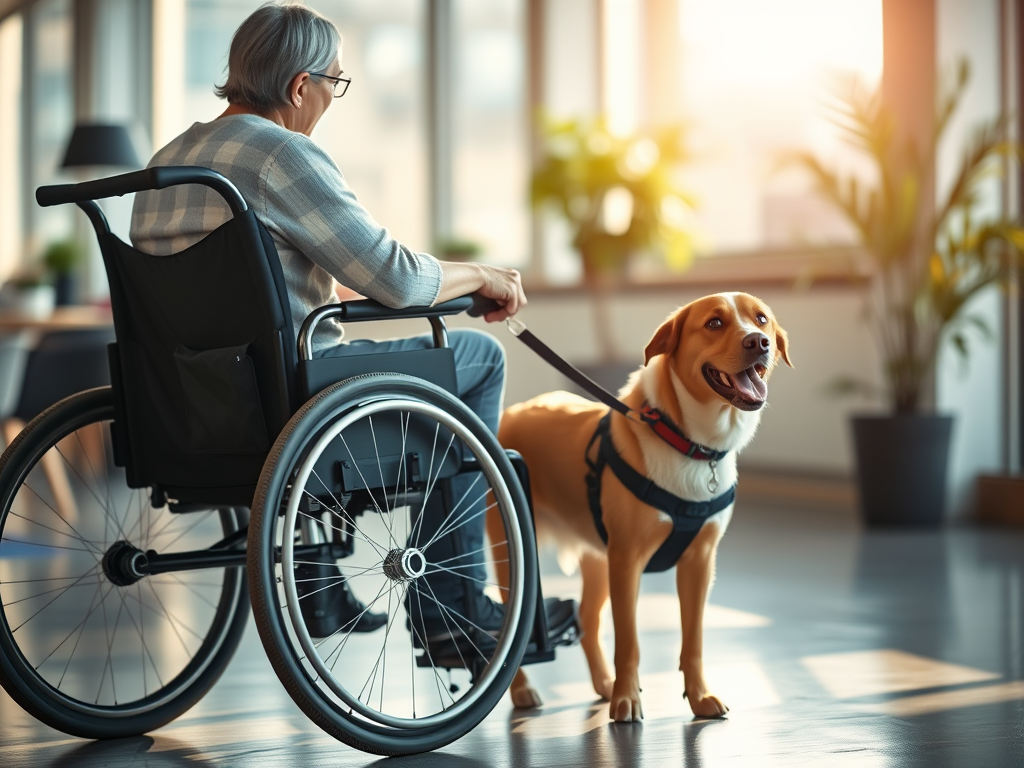
Accessibility Is Not a Niche Issue — It’s a Reality for 1 in 4
That statistic alone should fundamentally change how we think about customer experience.
If experiences are not accessible, Pharma is not missing a small segment—it is excluding nearly 30% of the population. Patients. Caregivers. Healthcare professionals. Advocates.
Accessibility is not about “them.”
It is about all of us.

What “Accessibility in Action” Really Means
The Accessibility in Action panel moved the conversation beyond awareness and into execution.
It challenged leaders to ask harder questions:
- Are we designing customer experiences for how people actually live?
- Are we reducing friction—or unintentionally adding to it?
- Are we building experiences that people can truly use, understand, and trust?
Accessibility in Pharma customer experience means:
- Content that is understandable and navigable across abilities
- Journeys that reduce cognitive, emotional, and physical burden
- Experiences designed with inclusion from the start—not retrofitted later
When accessibility is embedded early, everyone benefits.
The Cost of Inaccessibility Is Real
Inaccessible customer experiences don’t just create frustration—they create consequences.
They can delay care, reduce adherence, erode trust, and widen health disparities. From a business perspective, they lead to missed engagement and missed opportunity. From a human perspective, they leave people behind at moments when clarity, confidence, and access matter most.
As Richard Schwartz reflected on the summit:
“This year also proved that the growing community is essential for growth of ideas and pathways to operationalize customer experience and deliver value for customers, companies, collaborators, and colleagues.”
Accessibility is one of those pathways—and it is one we can no longer afford to overlook.
A Call to Action for Pharma Customer Experience Leaders
The Accessibility in Action panel made one thing clear: we already know enough to act.
If 1 in 4 adults are being excluded, accessibility is not simply a compliance requirement—it is a business imperative and a human responsibility.
For Pharma customer experience leaders, this means:
- Keeping accessibility top of mind from strategy through execution
- Including people with disabilities in research, design, and testing
- Measuring success not just by reach, but by who can truly engage
If customer experience is truly about improving lives, accessibility must remain top of mind, top of roadmap, and top of priority.
Because when experiences are accessible, everyone stands up.